A week of meetings, testimonials, and concrete proposals to put large families back at the center of political and cultural debate.
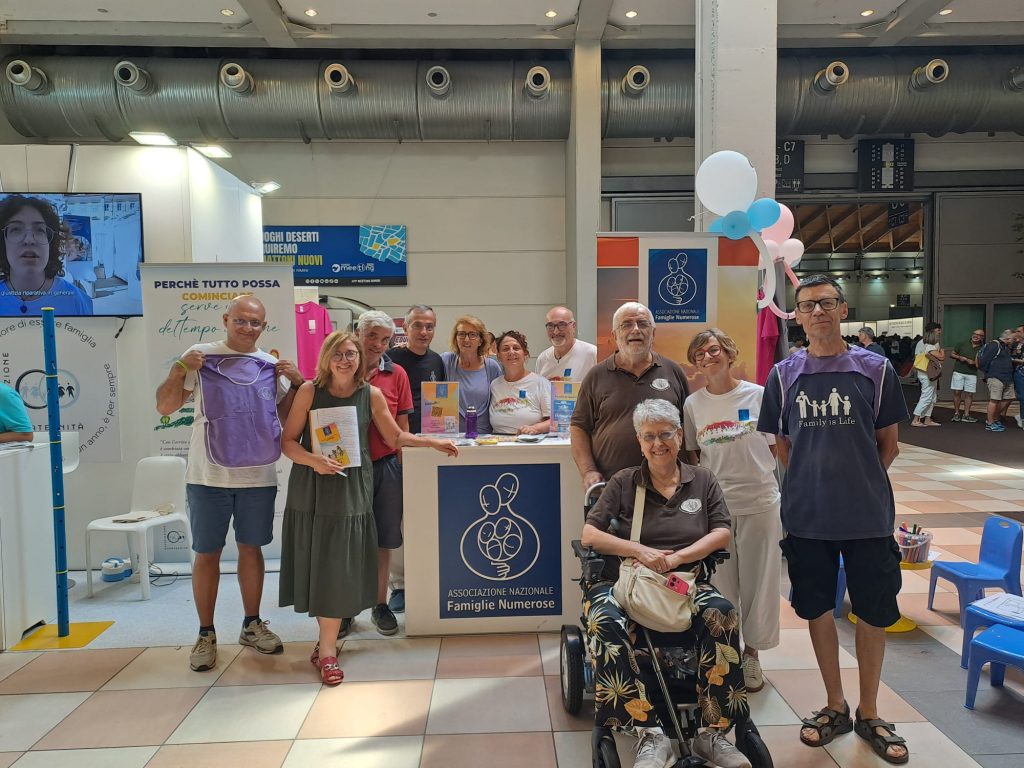
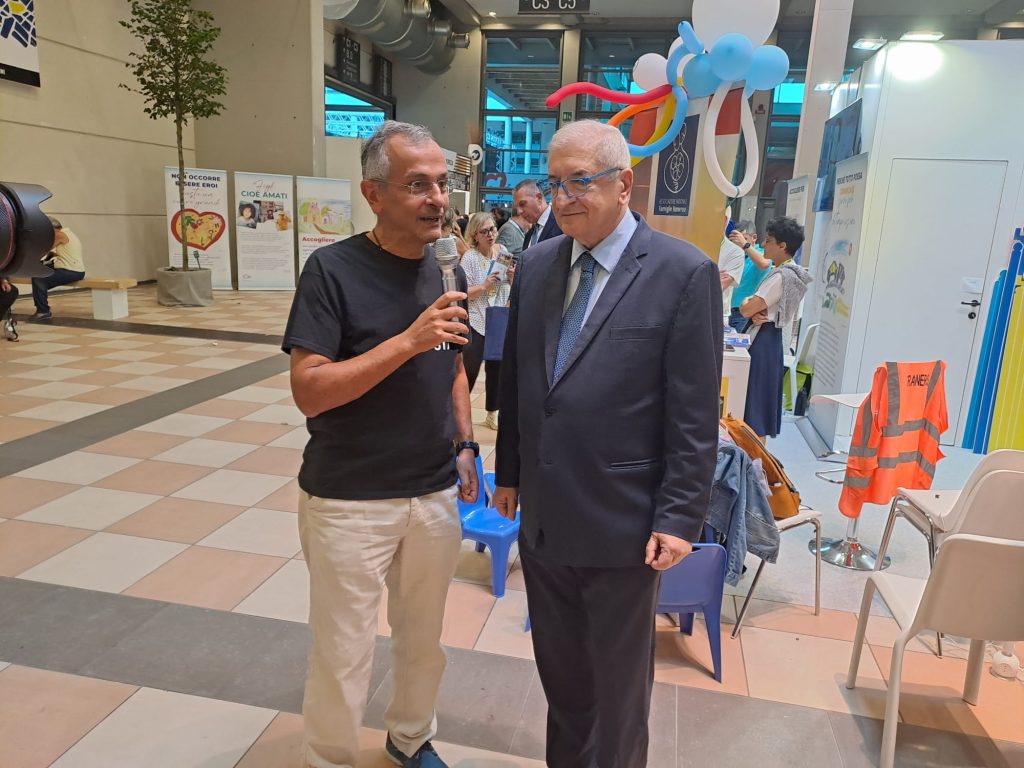
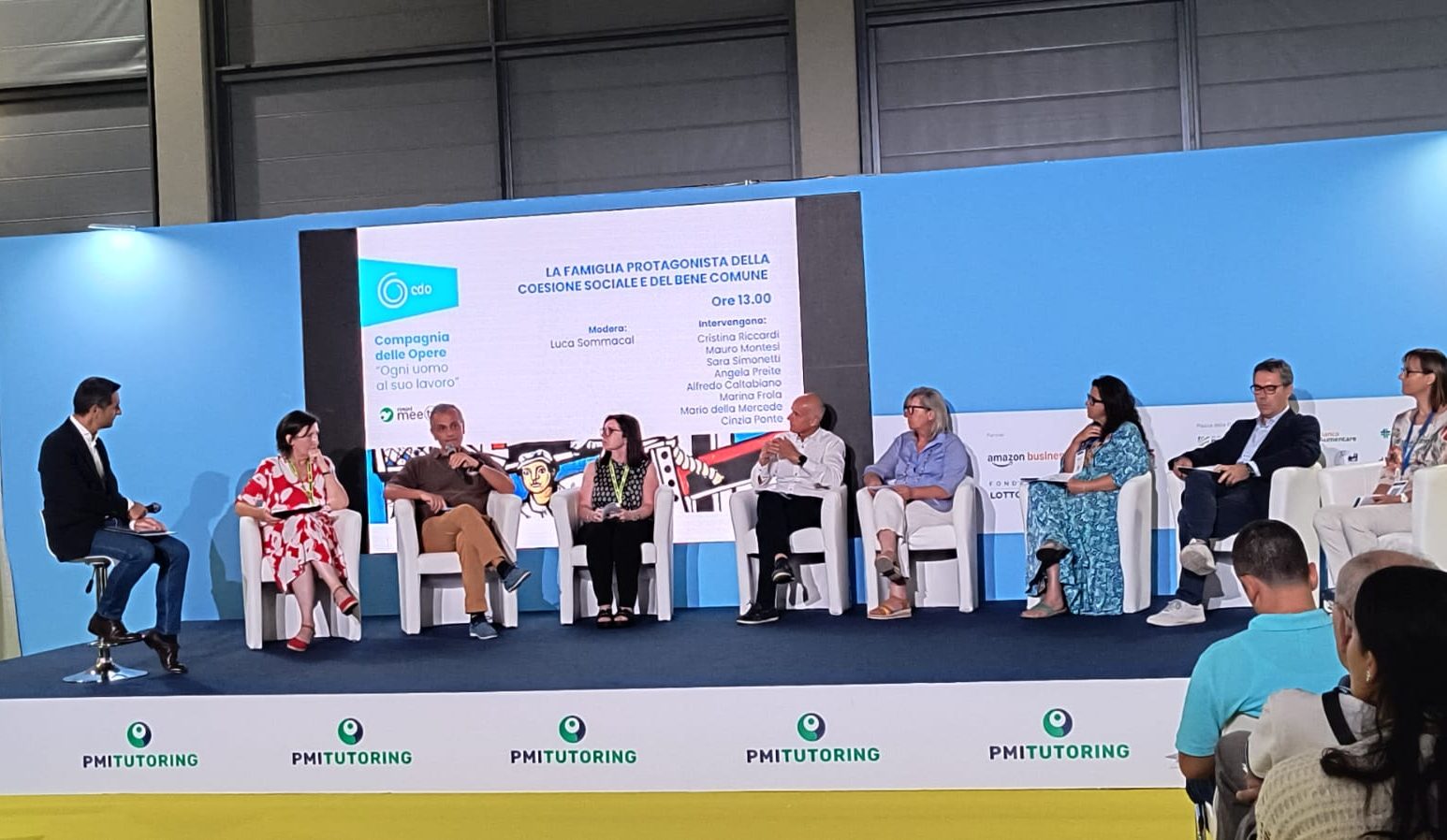
For the first time, the National Association of Large Families participated in the Rimini Meeting, one of the most significant events in the Italian cultural landscape. This presence was made possible thanks to the hospitality of the Forum of Family Associations, in a booth shared with other associations: AGESC, Associazione Fraternità, Azione per Famiglie Nuove, and the Italian Confederation of Centers for the Natural Regulation of Fertility. It immediately proved to be an extraordinary opportunity for meeting, dialogue, and growth. It was an intense yet rewarding week, characterized by teamwork, sharing experiences, and building new relationships.
Although it was a first for Anfn, both for exhibitors and for many of the volunteers present, the association’s main objectives were achieved:
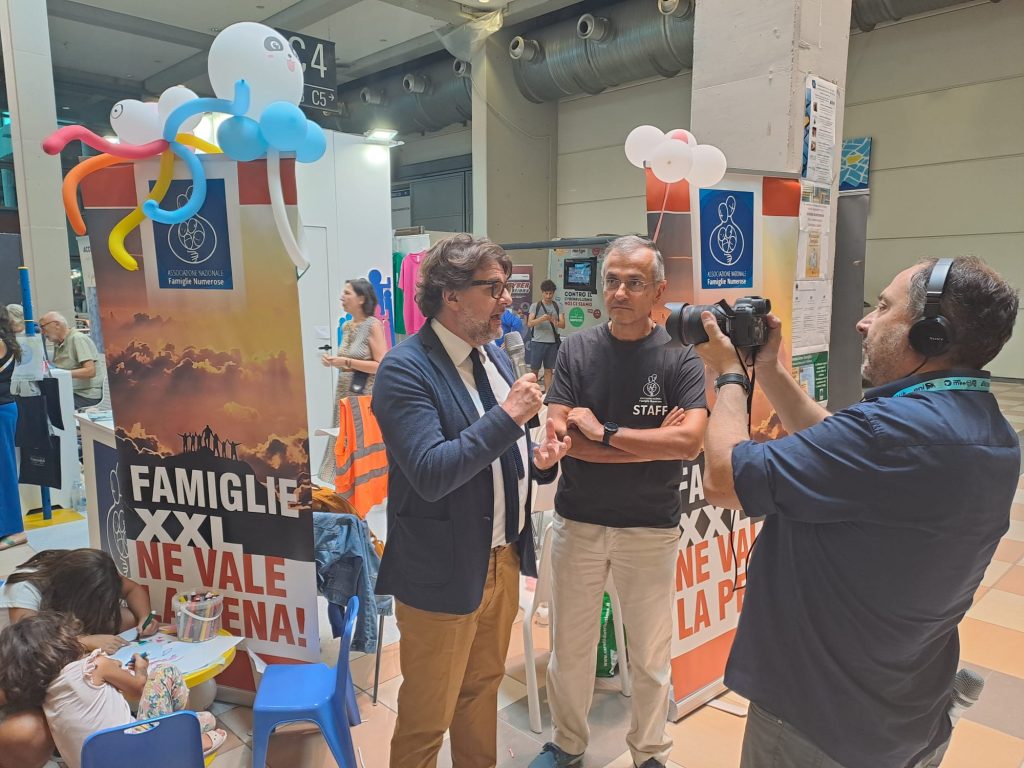
- The association’s visibility. Thanks to events, interviews, and numerous booth appearances, ANFN brought its voice to the heart of the Meeting. While there is room for improvement, this initial experience has laid a solid foundation for the future;
- Political and institutional meetings. ANFN held numerous meetings with political figures, discussing key issues such as birth rates, ISEE (Italian National Institute of Economics and Social Security), recognition of large families, and financial support. Some contacts were also invaluable for other participating associations, creating effective synergies;
- Contact with families . The true beating heart of the experience. The ANFN stand was visited by numerous large families, especially young couples with small children. An interesting discovery was that many of them were unfamiliar with the association: this sparked an important reflection on the need for more targeted communication with these organizations. Meanwhile, the volunteers’ work has led to 27 new registrations already completed, 30 in the process of being confirmed, as well as dozens of contacts to be developed;
- Collaboration between associations. The shared stand with the Forum and other organizations fostered a climate of harmony and cooperation. A very positive networking spirit was created, sharing resources, ideas, and efforts.
A place for a dialog with politicians
A key aspect of the Meeting experience was the dialogue with parliamentarians. Together with Senator Simona Malpezzi (PD), vice president of the Childhood and Adolescence Committee, ANFN presented the ISEE reform proposal, calling for the exclusion of the Single Allowance from the calculation, which currently penalizes many families. The senator expressed her willingness to support this initiative and to relaunch parliamentary questions on the European “Child Guarantee.”
With MEP Elisabetta Gualmini (PD), the role of families in Europe’s social pillars was discussed. Regina Maroncelli, vice president of Elfac, emphasized the importance of including families in the ESG taxonomy , i.e., among those worthy of sustainable investments.
MEP Massimiliano Salini (FI), who is involved in defense issues, emphasized how demographic decline represents a threat to the very future of the country: “Without people, there is no defense,” he declared.
The very young MEP Paolo Inselvini (FdI), co-chair of the Intergroup on Demography in the European Parliament, strengthened collaboration with ANFN and ELFAC ahead of the presentation of the Manifesto for Families to the European Parliament in a few weeks. The need for a truly European strategy for large families was also discussed, to lift them out of invisibility and recognize their important social and economic role.
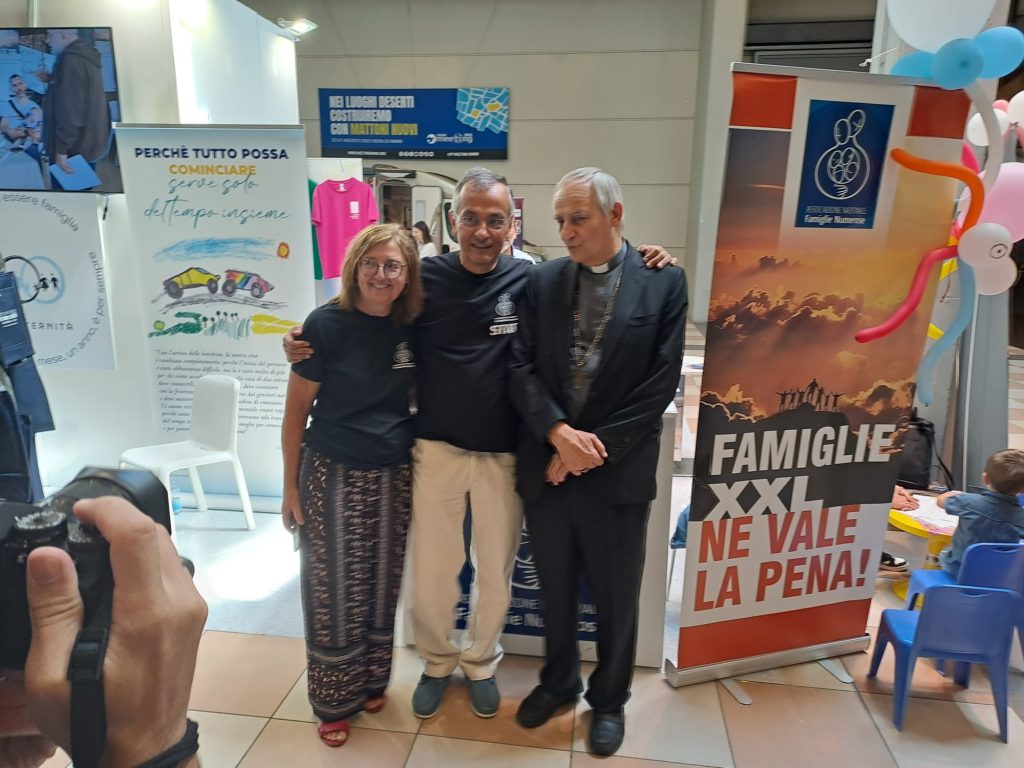
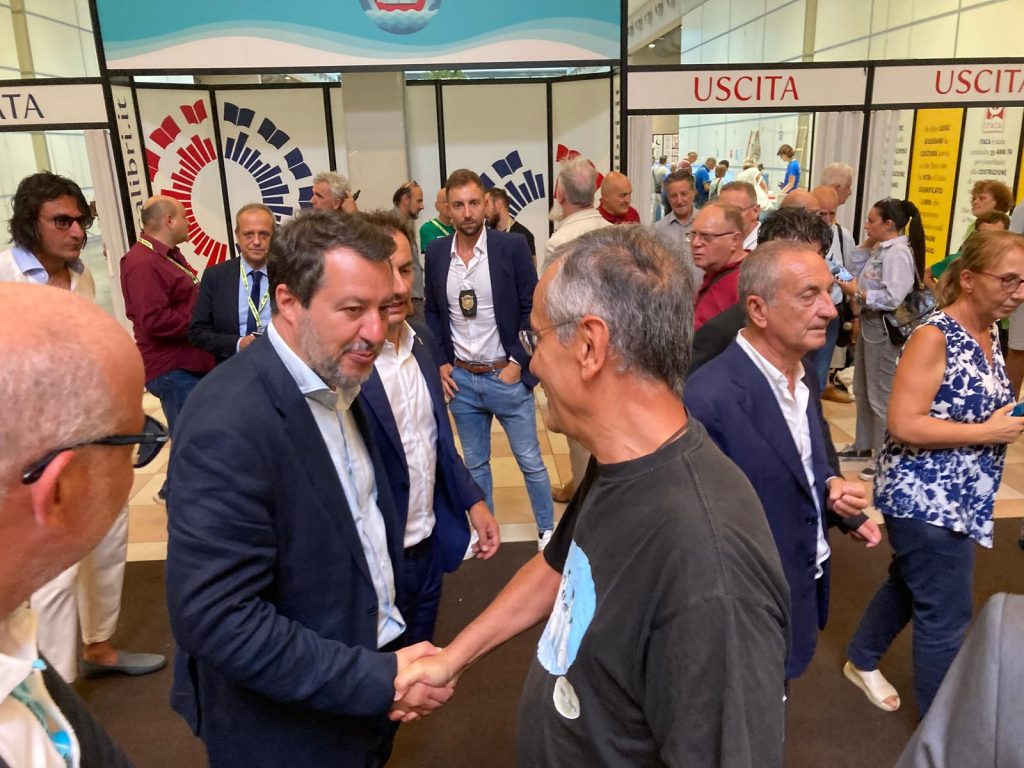
Finally, the Hon. Andrea De Bertoldi (Lega) and Minister Matteo Salvini, passing by the stand, received a concrete appeal from ANFN: to decisively address the birth rate challenge, reform the ISEE (Equivalent Economic Situation Indicator), and pass a national law on large families before the next Budget Law.
An important milestone for ANFN
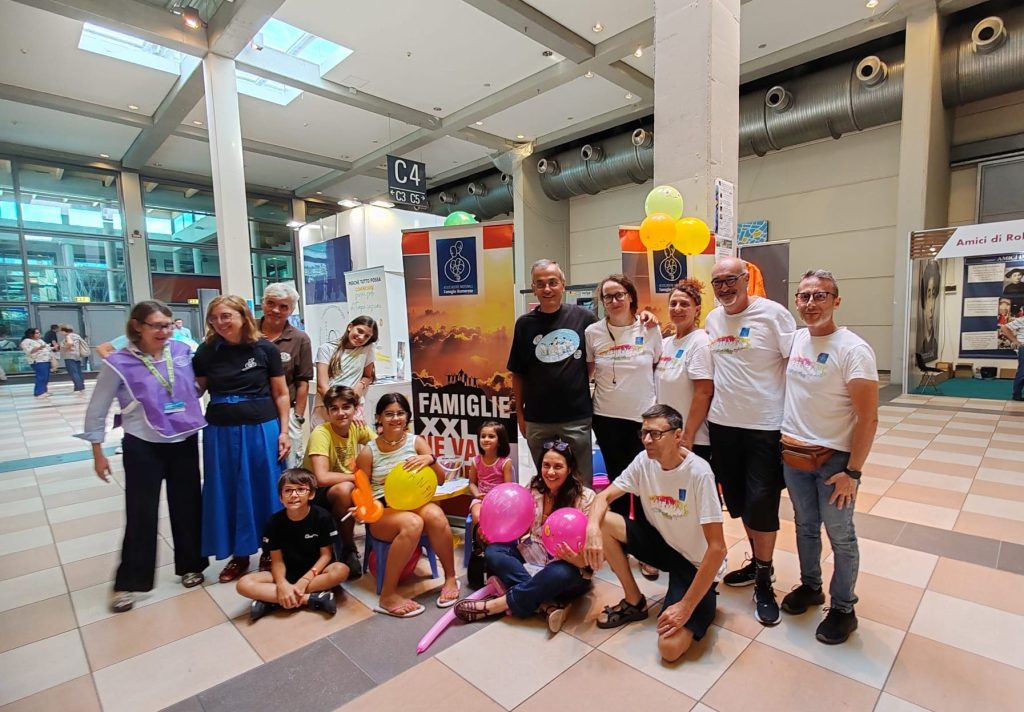
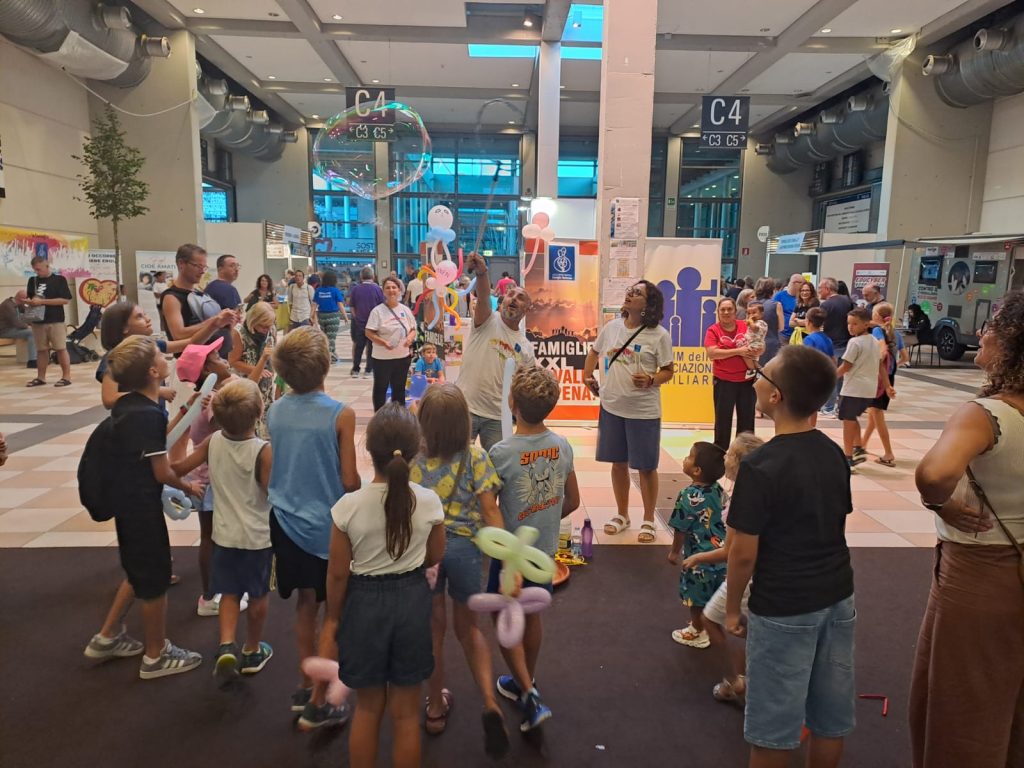
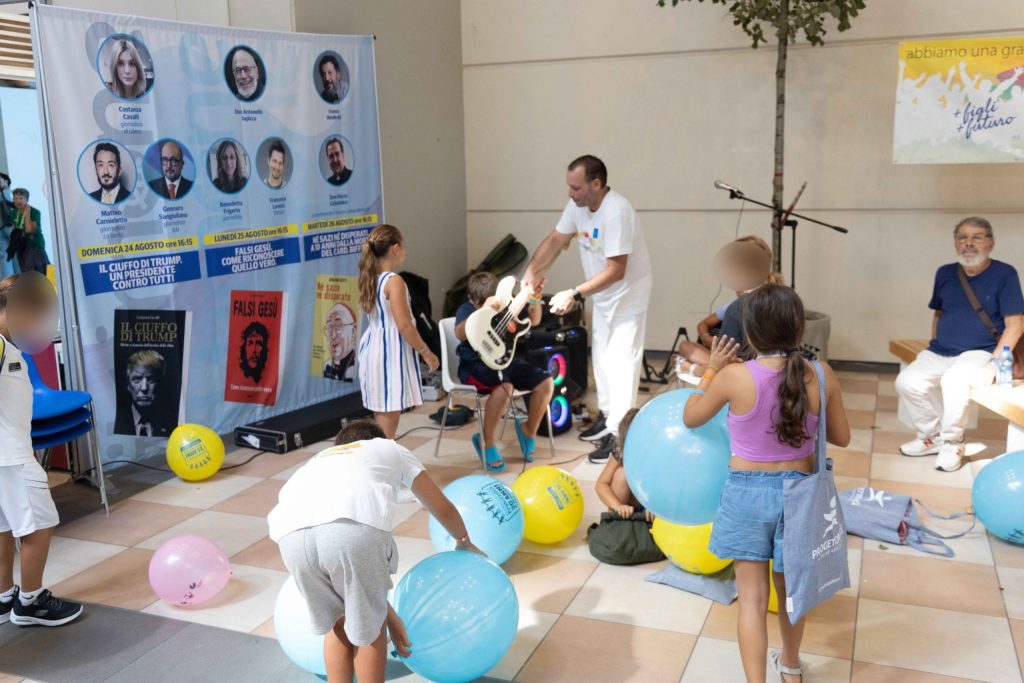
All this was made possible thanks to the tireless commitment of dozens of ANFN volunteers. Those who coordinated, those who welcomed, those who entertained children with games, bubbles, and balloons, those who managed contacts, distributed materials, networked, communicated remotely, or provided graphic design support.
The Meeting experience confirmed that ANFN has an important role to play in the Italian and European associative and political landscape. If there is another opportunity to participate in 2026, it will be crucial to capitalize on the experience, improve communication, enhance the network created, and continue to bring large families to the center of the debate.
The Meeting week was a lively laboratory of proposals, testimonies, and presentations. It demonstrated that, when there is sharing, passion, and a spirit of service, even a small association can have a profound impact.
With renewed energy, ANFN is ready to continue its journey, alongside large families, for the good of the country.