
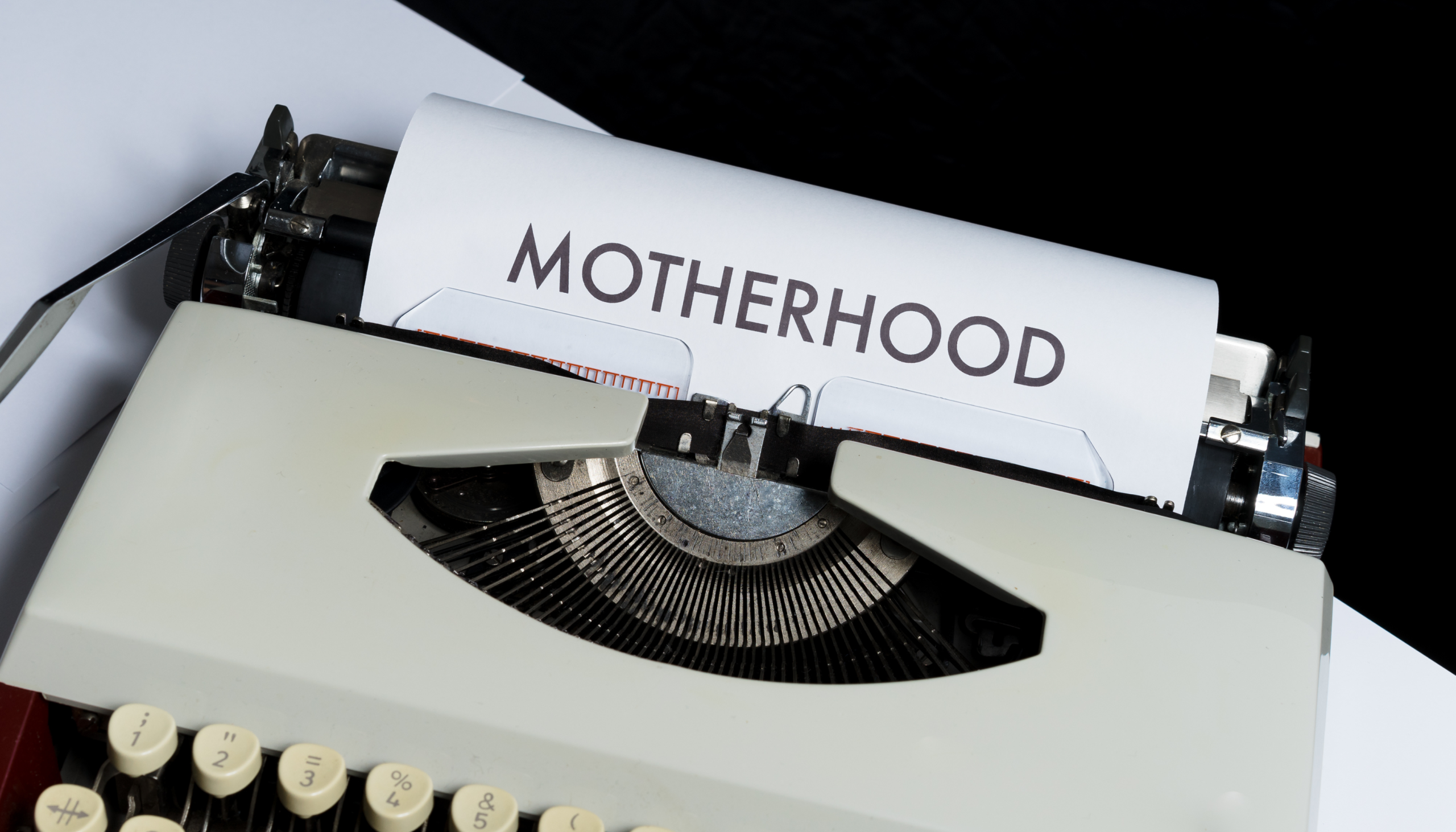
As the factual summary report on the European Commission’s Call for Evidence on the EU Action Plan for Gender Equality and Women’s Empowerment in EU External Action 2028–2034 (GAP IV) has been published, the lack of any reference to motherhood raises questions about EU’s commitment to the demographic crisis and mothers’ discrimination.
Not all women are mothers. But the ones who chose the path of motherhood are often discriminated against for this exact choice, which should constitute a fundamental right, but is still often perceived as a degrading factor.
Even though the active discrimination against mothers in areas such as the workplace is still something factual and relevant, mothers are not even mentioned in the factual summary report on the European Commission’s Call for Evidence on the EU Action Plan for Gender Equality and Women’s Empowerment in EU External Action 2028–2034 (GAP IV).
The document — which reports the most important responses from stakeholders about the Call for Evidence (CfE) on the development of the EU gender action plan 2028-2034 (GAP IV) — focuses heavily the theme of intersectionality, that is: the capacity of EU’s policies and action in general to recognise how overlapping social identities (such as race, gender, class, sexuality, and disability) combine to shape an individual’s unique experiences of privilege or systemic discrimination. The document thus aims to underline how certain minorities face systemic discrimination, which, combined with the gendered-specific one, creates an environment of tangible struggle and discomfort. Among the categories that may face intersectional discrimination, the following ones are listed: women with disabilities, migrants, refugees, displaced women, survivors of trafficking, LGBTIQ+ persons, and women belonging to ethnic or racialised minorities.
What is strikingly astounding is the lack of any reference to mothers or motherhood, not only among these personas, but in the entire document in general.
The fact that women may face specific discrimination — precisely because they are mothers — goes unaddressed.
During the consultation phase, in its feedback ELFAC had called for these specific implementations: the integration of demographic sustainability into gender equality policies, the recognition of motherhood and caregiving (addressing the unequal distribution of care responsibilities), the acknowledgement and support for families with 3 and more children (large families) as key contributors to demographic sustainability and finally the EU funding support to organisations representing and supporting mothers and families with childrenandassociations advocating against discrimination linked to motherhood.
Out of all these concerns, care work is the only issue addressed. And even then, it is treated merely as a collateral problem to be solved (notably, words like “mother” or “motherhood” do not appear even once).
While the document highlights the need for greater focus on the care economy to empower women economically, it overlooks a crucial reality: the women facing labour market segregation, systemic discrimination in the workplace, and the heavy burden of care work are called mothers. And the fact that they are discriminated for being mothers, isn’t it the point? By omitting any mention of motherhood, treating care work as a mere secondary concern, and ignoring the intersectional nature of maternal discrimination, this document reveals just how far we remain from true gender equality.