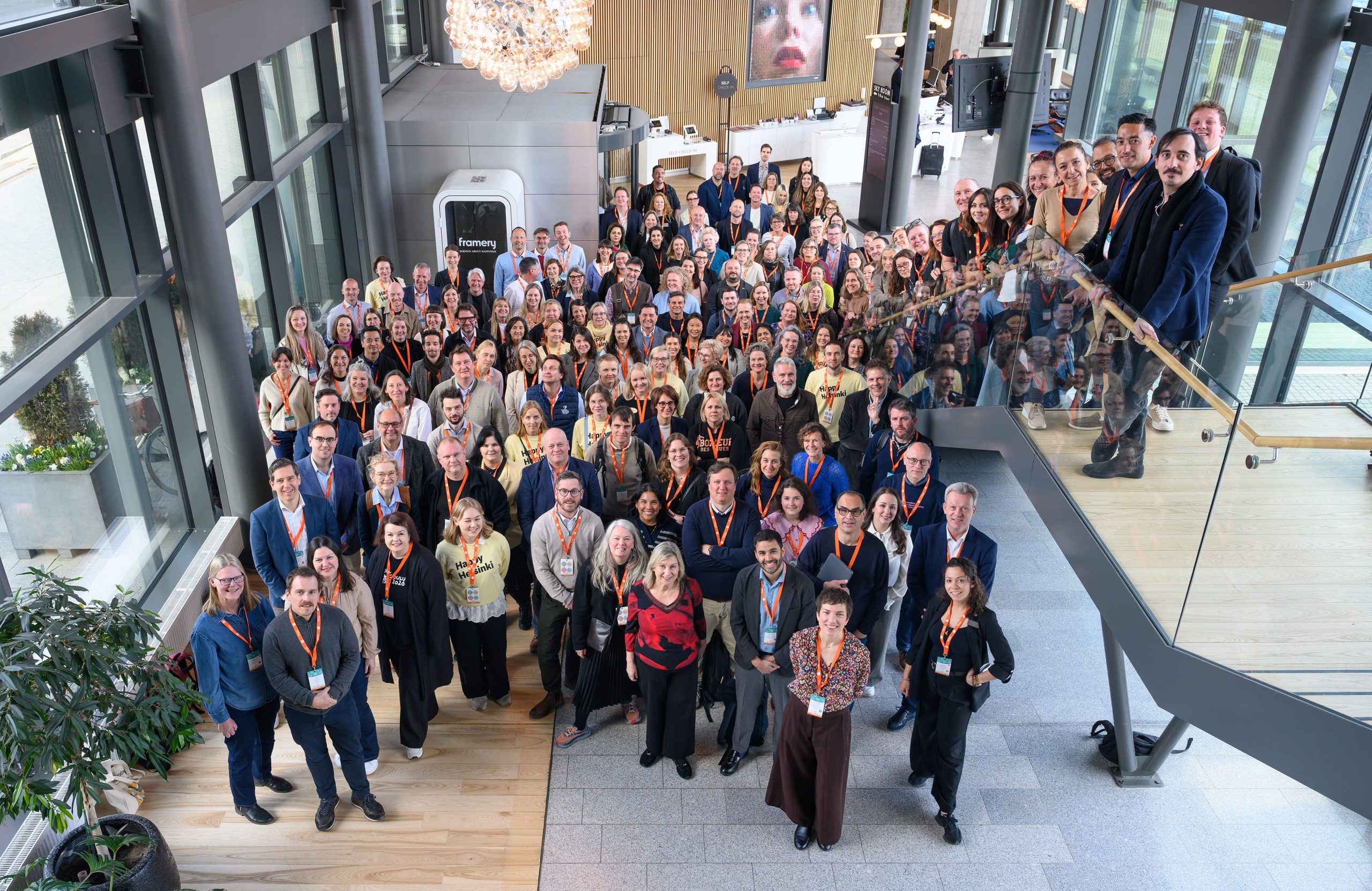
From April 22-24, 2026, more than 200 destination leaders attended in Helsinki the City Destinations Alliance International Conference
Under the theme “The Human Pulse of Place and Purpose”, the conference explored how the visitor economy can better support quality of life and societal value. Finland – ranked the happiest country in the world for the 9th year in a row – and Helsinki as its capital provided a powerful backdrop.
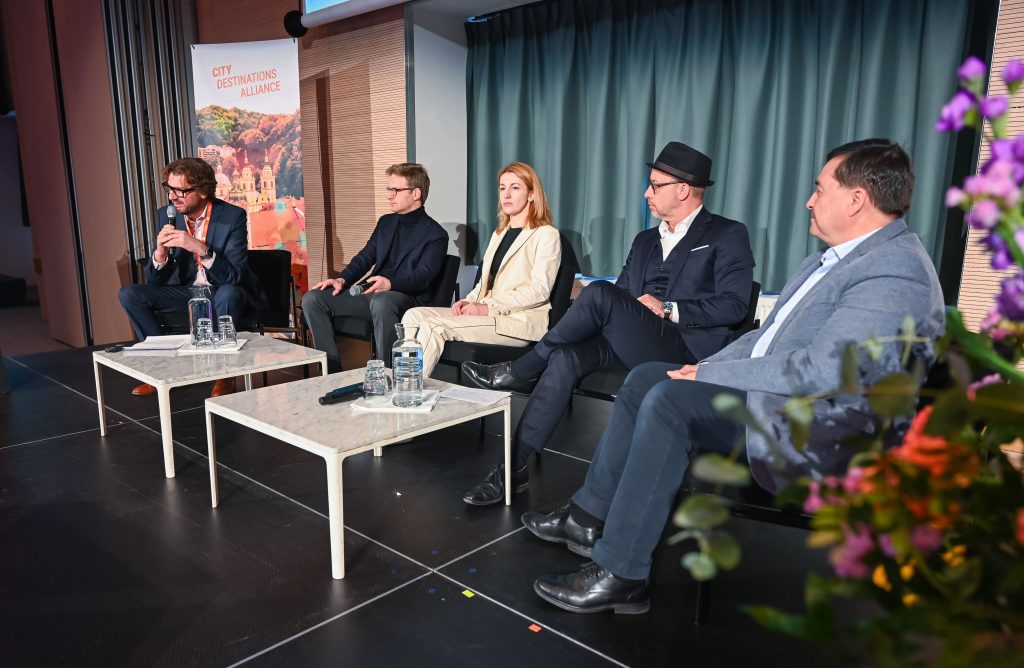
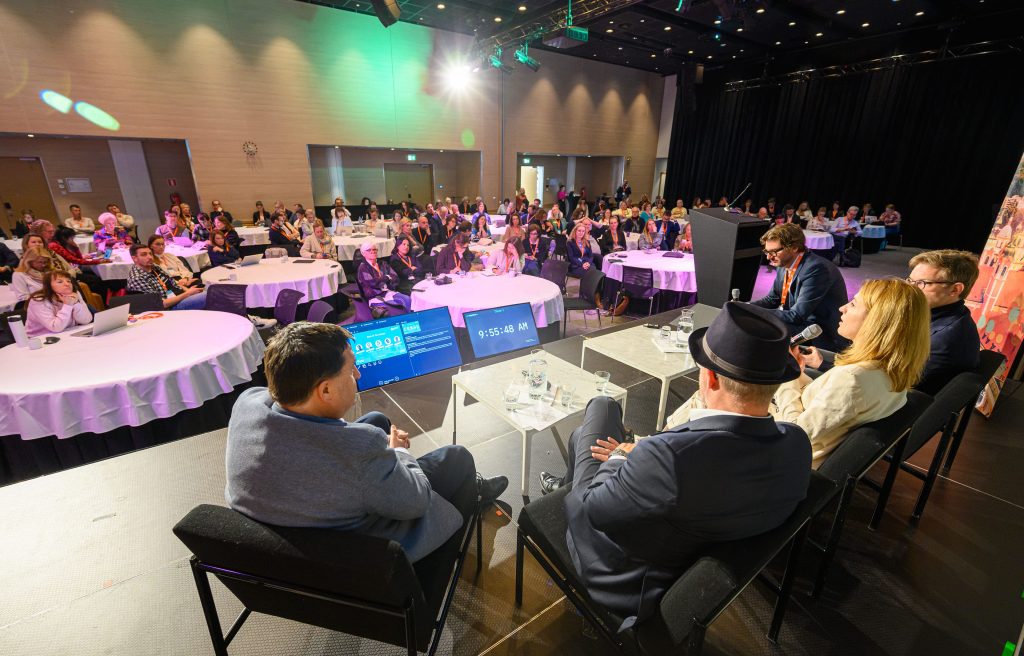
The CityDNA International Conference opened with the Welcome & Opening / State of the Industry session, featuring Raul Sanchez, secretary general of ELFAC and the European Network of Family-Friendly Municipalities, Patrick Bontick, CEO of visit.brussels, Barbara Jamison Woods, President of City Destinations Alliance, Michael Otremba, CEO of Hamburg Tourismus, Meenaz Diamond, Global General Manager of Maritz Global, and Mariana Oleskiv, Chair of the Future of Cities Coalition, in which ELFAC is also partner.

Raul Sanchez, from ELFAC, noted that when families choose travel destinations, 65% prioritize the destination itself over accommodation type. Families seek to live like locals – using local restaurants, shops, and activities rather than tourist-focused offerings.
“Banning tourist apartments entirely, as Barcelona plans, risks driving family tourism away by making it practically impossible for families to stay together affordably” – Raul Sanchez, ELFAC
Family tourism emerged as a vital topic, with speakers noting the importance of short-term rentals for intergenerational travel and authentic local experiences. Incentive travel, valued at $112 billion globally, was highlighted for its significant economic impact, with high per-head spending driving growth in niche destinations. CityDNA’s partnership with the Future of Cities Coalition was introduced as a collaborative effort to address urban challenges, including housing and tourism pressures.
The session underscored tourism’s multifaceted role in fostering economic growth, creating jobs, and building peace by connecting people across cultures. Helsinki’s innovative approach, including its focus on design, architecture, and community engagement, was presented as a model for sustainable urban tourism.
With over 230 delegates from 30 countries in attendance, the conference set the stage for dynamic discussions on collaboration, innovation, and resilience in the rapidly changing global environment.